

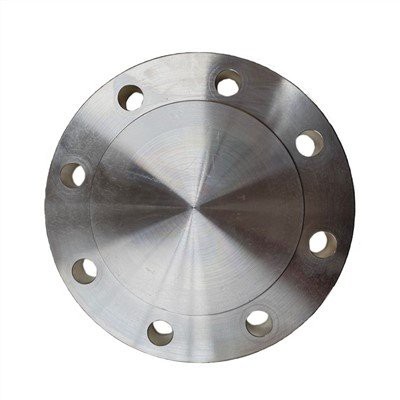
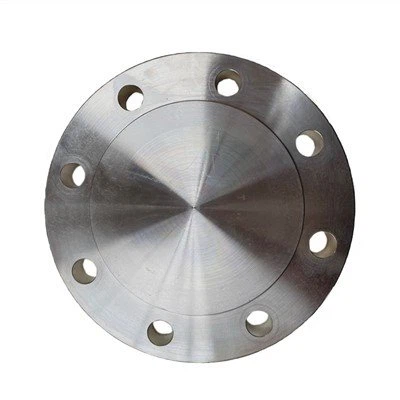
Asme B16.47 Ser,B Blind Flanges
Your Professional Asme B16.47 Ser,B Blind Flanges Supplier
Shanxi Hongkai Forging Co., Ltd. is located in China Energy Heavy Chemical Industry Base. Dingxiang County, the hometown of forging in Shanxi Province. Mainly produce flanges and forgings of various specifications. Application in piping installation, pressure vessel, equipment accessories.




Why Choose Us
Our Service
With strong technical force, advanced production technology, perfect quality inspection, and reliable after-sales service, it provides a basis for supervision and cooperation for many customers at home and abroad.
Our Certificate
The company Excellent Supplier of 2019 Safety production standardization certificate Quality management system certification.
Production Market
The products are mainly exported. It is exported to Europe, America and other countries and regions. The product quality is good, and the service is attentive. It is deeply appreciated and trusted by customers and users at home and abroad, and has won a high reputation. They have become one of the largest flange and forging suppliers in China.
Our Factory
Shanxi Hongkai Forging Co., Ltd. is located in China Energy Heavy Chemical Industry Base. Dingxiang County, the hometown of forging in Shanxi Province. Convenient transportation, abundant coal and power resources, fast communication and superior environment.

Advantages of Asme B16.47 Ser,B Blind Flanges
Superior Sealing Integrity:
When properly installed with an appropriate gasket, blind flanges create a complete and leak-proof seal, crucial for containing hazardous fluids and maintaining system pressure.
Corrosion and Erosion Resistance:
Depending on the material, they offer exceptional resistance to corrosive media, high temperatures, and abrasive flows, ensuring extended service life and reduced maintenance.
High Pressure and Temperature Handling:
Forged blind flanges, especially in alloy steel grades, are engineered to withstand extreme pressures up to 2500 PSI and temperatures exceeding 500°C (932°F) without structural degradation.
Flexibility for System Modification:
They provide an easily removable closure, facilitating future pipeline extensions, modifications, or insertion of equipment. This modularity reduces downtime and cost for system upgrades.
Energy Saving:
By effectively sealing off inactive lines, blind flanges prevent energy losses (e.g., heat, pressure) from unused pipe sections, contributing to operational efficiency in large industrial plants.
Product Paramenters
|
Types |
Weld neck, slip on, blind, tube sheet, threaded socket weld, plate, long weld neck, spectacle blind orifice flange,anchor flange, customized flange |
|
Standards |
ANSI B16.5, ANSIB16.47, ANSIB16.48, ANSIB16.36, API6A EN1092-1, JIS B2220, DIN Full Series, GOST12820,GOST12821, GOST12822, GOST33259 SABS1123, AS2129, AS4087, BS4504, BS10 |
|
Pressure |
Class150-2500,PN0.6-600, API2000-15000, 1k-40k |
|
Size |
15mm-6000mm |
|
Application |
Petrochemical industry;aviation and aerospace industry;pharmaceutical industry; gas exhaust;power plant;ship building;water treatment,etc. |
Manufacturing Process
Raw Material Selection: High-grade steel (carbon, stainless, alloy) billets or plates are sourced from reputable mills. Materials are selected based on the specific application requirements and standards.
Forging (for solid block flanges): Heated raw material is shaped using hammers or presses. This process refines the grain structure, enhancing strength and ductility, which is crucial for high-pressure applications.
Plate Cutting (for smaller or lower-pressure flanges): For certain types of blind flange, especially those manufactured from plate stock, precision cutting techniques like CNC flame cutting or plasma cutting are employed to achieve the desired outer diameter.
Post-forming, flanges undergo heat treatment processes such as normalizing, quenching, and tempering. This optimizes mechanical properties, relieves internal stresses, and improves toughness and hardness, tailored to the material grade and service requirements.
CNC Machining: Precision machining is performed to achieve accurate dimensions, bore, bolt holes, and flange facing (RF, FF, RTJ) according to ASME B16.5, ASME B16.47, EN 1092-1, or other specified standards. Surface finish is critical for sealing performance.
Dimensional Inspection: Verification of all critical dimensions (OD, ID, thickness, bolt circle diameter, bolt hole size) using calibrated instruments.
Material Verification: Positive Material Identification (PMI) using XRF ensures correct alloy composition, especially for stainless and alloy steel blind flanges types.
Non-Destructive Testing (NDT): Includes Ultrasonic Testing (UT) for internal flaws, Magnetic Particle Testing (MPT) or Dye Penetrant Testing (DPT) for surface cracks. Radiography (RT) may be performed on specific weldments if applicable.
Hardness Testing: Ensures the material meets the specified hardness requirements.
Hydrostatic Testing: Although blind flanges are solid, hydrostatic testing of assembled pipe sections with blind flanges is standard practice to verify leak-tightness.
Coating: Carbon steel flanges often receive anti-corrosion treatments such as galvanizing, epoxy coating, or painting.
Marking: Each flange is clearly marked with its size, pressure class, material grade, standard, manufacturer's name, and heat number for full traceability, as per ASME B16.5 or relevant standards.
Uses of Asme B16.47 Ser,B Blind Flanges
Pipeline plugging:
Close at the end or branch of the pipeline to prevent medium leakage.
System isolation:
Isolate some pipelines or equipment during maintenance to ensure safe operation.
Pressure test:
Close the pipeline during pressure test or purging to check the system sealing.
Reserve spare interface:
Reserve interface for future pipeline expansion and temporarily close it.
Shipping

FAQ
We're well-known as one of the leading asme b16.47 ser,b blind flanges manufacturers and suppliers in China. If you're going to wholesale high quality asme b16.47 ser,b blind flanges with competitive price, welcome to get more information from our factory. Also, customized service is available.
blind flange ansi 150, 8 blind flange, flange and blind flange